
The Role of NATO and Global Alliances in Current Conflicts
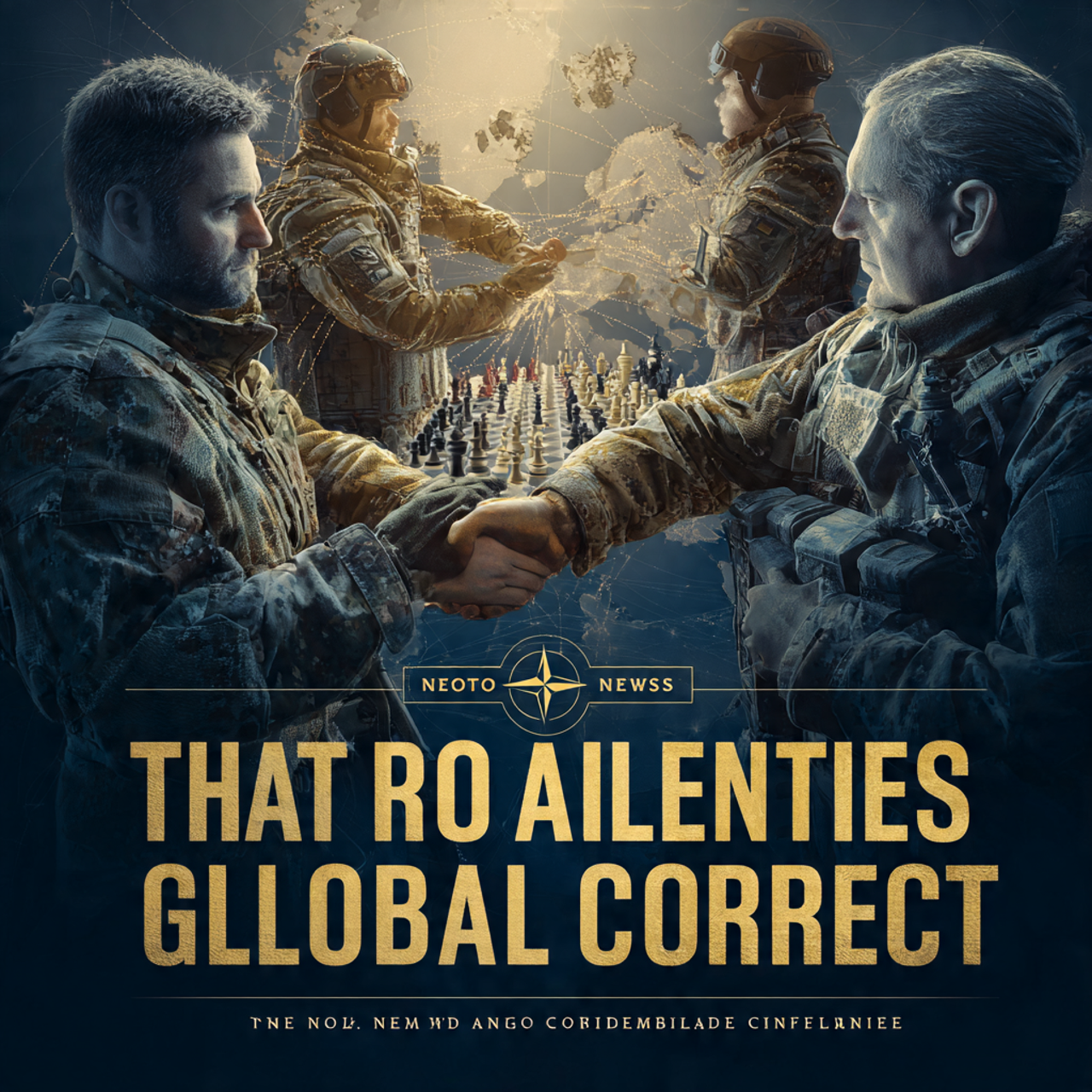
In today’s interconnected world, wars and conflicts are rarely confined to a single country or region. Global alliances, particularly NATO (North Atlantic Treaty Organization), play a decisive role in shaping modern conflicts. From providing military support and strategic planning to enforcing sanctions and mediating diplomacy, these alliances influence both the trajectory of wars and the global balance of power.
This article explores how NATO and other global alliances function in current conflicts, their strategies, their impact on international security, and the controversies surrounding their actions.
1. Understanding NATO and Its Purpose
What is NATO?
Founded in 1949, NATO is a military alliance of 31 countries from North America and Europe. Its core principles include:
-
Collective defense (Article 5): An attack on one member is considered an attack on all
-
Promoting democratic values and political stability
-
Coordinating military, intelligence, and crisis-response operations
NATO operates both as a defensive alliance and a platform for strategic coordination among member states.
Other Global Alliances
Besides NATO, other alliances influence conflicts today:
-
United Nations peacekeeping forces: Provide humanitarian and military support
-
European Union (EU): Economic sanctions, diplomatic pressure, and security cooperation
-
Regional alliances in the Middle East and Asia: Examples include the Gulf Cooperation Council (GCC) and ASEAN’s security initiatives
These alliances often work alongside or in parallel with NATO, shaping global conflict management.
2. NATO’s Role in Modern Conflicts
Collective Defense and Deterrence
NATO’s primary role in conflicts is deterrence:
-
Military presence near conflict zones acts as a warning to potential aggressors
-
Joint military exercises demonstrate readiness and capability
-
Deployment of advanced systems like missile defense and rapid reaction forces
Example: NATO’s strengthened presence in Eastern Europe during the Russia–Ukraine war deters further escalation.
Military Assistance to Allies
NATO supports allies through:
-
Weapons supplies and intelligence sharing
-
Training and advisory programs for armed forces
-
Logistical support and deployment coordination
These actions often shape the course of conflicts without direct combat involvement by NATO forces.
Crisis Management and Mediation
NATO also contributes to:
-
Coordinating humanitarian operations
-
Facilitating ceasefires or conflict negotiations
-
Post-conflict stabilization missions
By combining military and diplomatic tools, NATO works to prevent conflicts from escalating further.
3. Global Alliances and Proxy Influence
Many modern conflicts involve proxy dynamics, where global alliances indirectly influence outcomes:
-
Arms and resources flow from member states to allied nations or groups
-
Political and economic support strengthens friendly governments
-
Sanctions and international pressure weaken opposing forces
Example: In the Russia–Ukraine war, NATO countries provide weapons, training, and economic support to Ukraine, while imposing sanctions on Russia to reduce its military capacity.
4. NATO and International Law
Supporting Legal Frameworks
NATO emphasizes compliance with international law, including:
-
The UN Charter
-
Laws of armed conflict
-
Humanitarian protection for civilians
However, modern alliances often face criticism regarding:
-
Collateral damage during airstrikes or drone operations
-
Engagements that blur the line between peacekeeping and combat
-
Perceived biases in conflict mediation
5. Economic and Political Influence of Alliances
Beyond military action, alliances impact global conflicts through:
Economic Tools
-
Coordinated sanctions to pressure aggressors
-
Restricting trade, banking, and technology transfer
-
Supporting reconstruction and stabilization in allied regions
Political Influence
-
Shaping narratives in international media
-
Coordinating voting and statements in the UN and other forums
-
Facilitating diplomatic negotiations and peace talks
Alliances often leverage economic and political power as much as military strength.
6. Case Study: NATO in the Russia–Ukraine Conflict
Military Support
-
Supplying modern weapons, ammunition, and surveillance technology
-
Providing intelligence and strategic coordination
-
Increasing troop presence in neighboring NATO countries
Diplomatic Actions
-
Coordinating sanctions against Russia
-
Diplomatic engagement to prevent escalation into wider war
-
Supporting Ukraine in international forums
Outcome
NATO’s involvement has helped strengthen Ukraine’s defense, deter wider escalation, and maintain international focus on the conflict, while avoiding direct military confrontation with Russia.
7. Controversies and Criticisms
Despite its influence, NATO and other alliances face criticism:
-
Escalation risk: Military presence may intensify conflicts
-
Unequal influence: Smaller member states may feel sidelined in decision-making
-
Civilian impact: Indirect involvement can still lead to casualties and humanitarian crises
-
Political polarization: Alliances can exacerbate global divisions
Balancing strategic goals with ethical considerations remains a central challenge.
8. The Future of Alliances in Conflicts
Modern conflicts suggest that global alliances will remain central to warfare:
-
Emphasis on hybrid warfare, cyber operations, and drone technologies
-
Increased coordination between military, economic, and diplomatic tools
-
Greater involvement in peacebuilding and post-conflict reconstruction
-
Need for transparency, accountability, and civilian protection
Global alliances are evolving from purely defensive organizations to comprehensive security actors.
9. Why This Matters Globally
The role of NATO and other alliances affects everyone, even in countries far from conflict zones:
-
International trade and energy markets can be disrupted
-
Refugee flows increase in neighboring regions
-
Global security policies are shaped by alliance strategies
-
Political and economic alliances influence global diplomacy
Understanding alliances is essential for grasping the broader implications of modern conflicts.
Conclusion
NATO and global alliances play a critical role in shaping contemporary conflicts, using military, economic, and diplomatic tools to influence outcomes. They act as both deterrents and enablers, balancing strategic objectives with humanitarian and political responsibilities.
While their involvement can stabilize conflicts and protect civilians, alliances must carefully navigate the risks of escalation, political bias, and unintended consequences. In an era of interconnected economies, cyber warfare, and hybrid threats, alliances like NATO are more influential—and scrutinized—than ever before.