
Refugee Crises Explained. Why Millions Are Fleeing War Zones
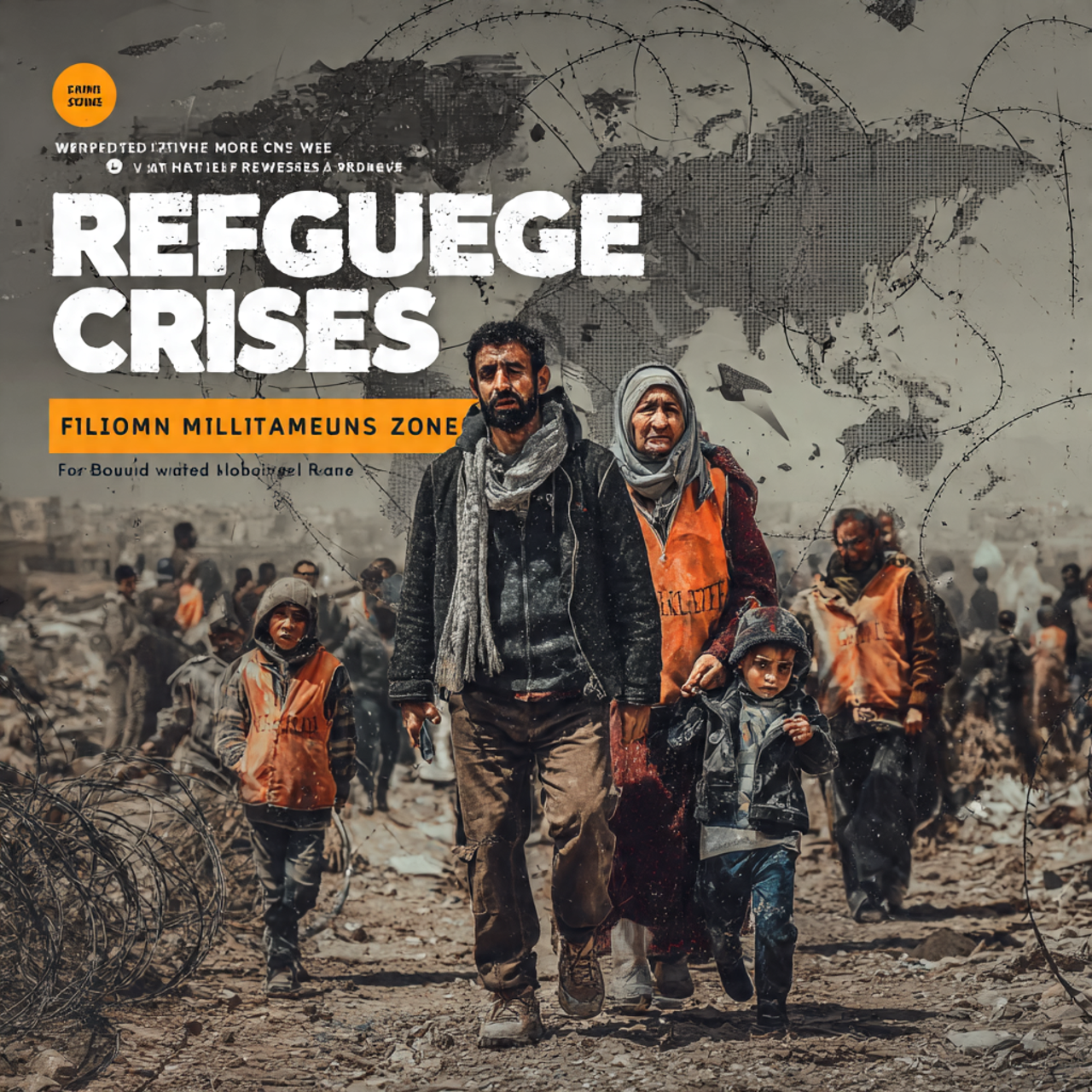
War, conflict, and persecution have forced millions of people to flee their homes in recent decades. While media often reports numbers—millions displaced, thousands crossing borders—the human reality behind these statistics is far more complex and devastating. Refugees are not just numbers; they are families, children, and communities uprooted from their homes, struggling to survive amid uncertainty.
This article explains the causes, impacts, and challenges of global refugee crises, highlighting why millions of people leave war zones every year and how the international community responds.
What Is a Refugee?
A refugee is defined by international law as someone who has been forced to flee their country due to:
-
Conflict or war
-
Persecution based on race, religion, nationality, or political beliefs
-
Violations of human rights
Refugees differ from migrants in that their movement is compelled and urgent, often leaving them without resources, documentation, or certainty about the future.
Major Causes of Refugee Crises
1. Armed Conflicts
Wars are the primary driver of modern refugee crises. Civilians flee to avoid:
-
Bombings and shelling
-
Armed clashes and occupation
-
Forced conscription or targeted attacks
Examples of ongoing conflicts driving refugees in 2026:
-
Russia–Ukraine War: Millions have crossed into neighboring European countries
-
Middle East Conflicts: Syria and Yemen remain major sources of refugees
-
African Conflicts: Sudan, Ethiopia, and the Sahel region continue to produce displaced populations
2. Political Persecution
Authoritarian regimes and political instability can force people to flee, particularly activists, journalists, or minority groups. Refugees fleeing persecution often risk imprisonment, torture, or death if they remain in their home country.
3. Ethnic and Religious Violence
Ethnic or religious minority groups are disproportionately affected during conflicts. Historical tensions, forced displacement, and targeted violence often drive entire communities to seek safety abroad.
4. Economic Collapse Linked to War
While economic migrants are technically different from refugees, war often triggers economic collapse, food shortages, and job loss. Many civilians flee not only for safety but for survival.
Who Are Refugees?
Refugees include a wide range of individuals:
-
Women and children: Often the majority of displaced populations
-
Elderly individuals: Vulnerable due to limited mobility and health concerns
-
Disabled people: Facing additional barriers to safety and survival
-
Entire families: Forced to leave homes, businesses, and belongings behind
This diversity creates unique humanitarian challenges.
Immediate Challenges for Refugees
1. Dangerous Journeys
Fleeing war zones is perilous:
-
Risk of violence, kidnapping, or death en route
-
Harsh environmental conditions, such as deserts or seas
-
Lack of food, water, or medical aid
Refugee journeys can take weeks or months, and many never reach safety.
2. Shelter and Living Conditions
Temporary refugee camps often suffer from:
-
Overcrowding
-
Limited sanitation and clean water
-
Shortage of basic necessities like food, clothing, and healthcare
These conditions increase vulnerability to disease and malnutrition.
3. Legal and Social Challenges
Refugees often face:
-
Difficulty obtaining asylum or refugee status
-
Language barriers in host countries
-
Social exclusion and xenophobia
Without legal protection, many refugees remain in limbo, unable to work or access essential services.
Long-Term Impact of Refugee Crises
On Refugees Themselves
-
Education disruption: Children may miss years of schooling
-
Psychological trauma: PTSD, anxiety, and depression are common
-
Loss of identity and livelihood: Homes, jobs, and communities are often permanently lost
On Host Countries
-
Economic strain: Sudden influxes can pressure healthcare, housing, and job markets
-
Social tension: Cultural integration and political debates over resources
-
Opportunity for contribution: In the long term, refugees can support economies through labor and entrepreneurship if integration policies are effective
On the Global Community
-
Strains international aid and humanitarian organizations
-
Challenges international law and refugee conventions
-
Highlights the interconnectedness of global stability, migration, and peace efforts
The Role of International Organizations
Organizations like the United Nations High Commissioner for Refugees (UNHCR), the International Rescue Committee (IRC), and Médecins Sans Frontières (Doctors Without Borders) provide:
-
Emergency shelter, food, and water
-
Medical and mental health care
-
Legal aid and assistance in obtaining refugee status
However, funding shortages and political limitations often hamper their effectiveness.
Case Studies: Refugees in 2026
-
Ukraine Conflict
-
Over 10 million people displaced
-
Refugees primarily move to Poland, Romania, and other European countries
-
Middle East (Syria, Yemen, Gaza)
-
Millions live in overcrowded camps with limited access to clean water and medical care
-
Women and children bear the brunt of displacement
-
Africa (Sudan, Ethiopia, Sahel)
-
Internal displacement and cross-border migration are common
-
Hunger and disease compound the humanitarian crisis
Solutions and Challenges
Short-Term Solutions
-
Emergency shelters and food distribution
-
Safe corridors and humanitarian access
-
International funding and aid coordination
Long-Term Solutions
-
Political resolution of conflicts
-
Legal pathways for asylum and resettlement
-
Education, job training, and integration programs for refugees
-
International cooperation to prevent future displacement
Why Refugee Crises Matter to Everyone
Even for those far from conflict zones, refugee crises have global implications:
-
Economic impact: Humanitarian aid and international investment
-
Social and political: Migration policies and cultural integration
-
Security concerns: Refugee flows can affect regional stability
-
Moral responsibility: Upholding human rights and international law
Global awareness and cooperation are essential to mitigate suffering and build resilience.
Conclusion
Refugee crises are a direct consequence of war, persecution, and instability, but they are also a human story of resilience, courage, and survival. Millions flee every year, risking everything for safety and dignity.
Understanding the causes, challenges, and impacts of refugee crises helps us appreciate the human cost of conflict and the importance of international solidarity. Without global cooperation, these crises will continue to grow, affecting not only those displaced but the entire international community.