
How Social Media Shapes Public Opinion During Wars
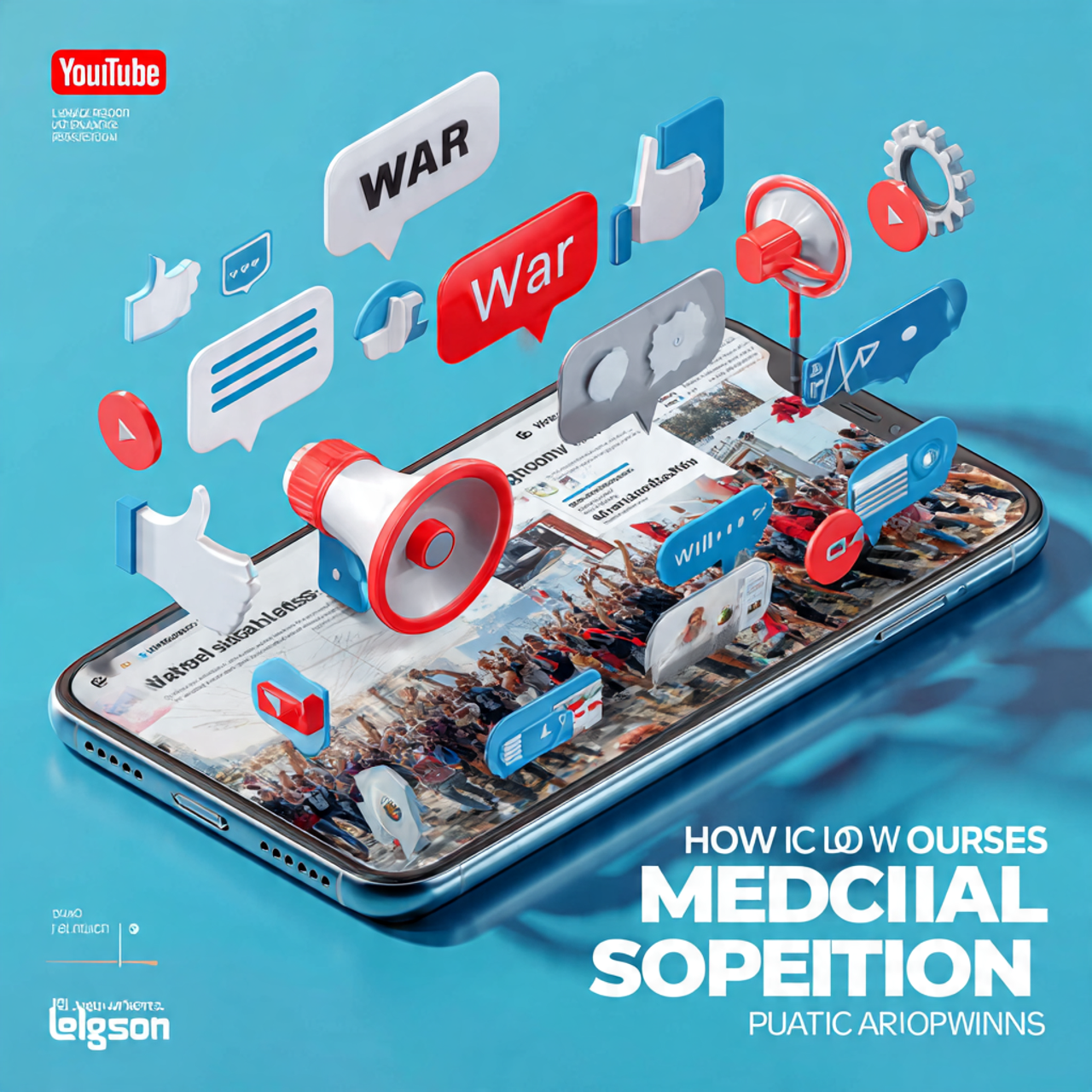
In the 21st century, wars are fought not only on battlefields but also online. Social media platforms like Facebook, Twitter, Instagram, TikTok, and X (formerly Twitter) have become central in shaping how the world perceives conflicts. From viral videos of frontline events to official government communications, social media influences public opinion, policy decisions, and even the course of wars.
This article explores how social media impacts public perception during wars, the mechanisms it uses, and the benefits and dangers of this modern phenomenon.
1. The Rise of Social Media as a War Tool
Unlike traditional media, social media is instant, global, and interactive. During conflicts:
-
Eyewitnesses post live updates, videos, and images
-
Governments and armies issue statements directly to the public
-
Activists, journalists, and civilians participate in real-time reporting
This immediacy bypasses traditional gatekeepers, giving audiences direct access but also increasing the spread of misinformation.
2. Social Media and Real-Time Reporting
Social media allows for instantaneous updates from conflict zones:
-
Civilians share live footage of bombings, airstrikes, and protests
-
NGOs post updates on humanitarian crises and casualties
-
Journalists use social media to broadcast frontline realities globally
This real-time reporting influences public perception faster than traditional news channels, often shaping narratives before formal verification.
3. Governments and Propaganda
States increasingly use social media to influence opinion:
-
Official accounts post statements, news, and images supporting national narratives
-
Military propaganda emphasizes victories, downplays losses, or vilifies opponents
-
Targeted campaigns on social media aim to sway domestic and international opinion
Example: During the Russia–Ukraine conflict, both governments used social media extensively to promote narratives, rally support, and influence foreign audiences.
4. Viral Videos and Emotional Impact
Visual content—videos, images, infographics—has a powerful emotional effect:
-
Videos of civilian suffering provoke outrage and international attention
-
Footage of destroyed infrastructure highlights the human cost of war
-
Memes and viral graphics can simplify complex conflicts, making them more accessible to broad audiences
Emotion-driven content often shapes public opinion more effectively than statistics or detailed reports.
5. Social Media as a Mobilization Tool
Social media also enables political, humanitarian, and activist mobilization:
-
Online petitions, fundraisers, and volunteer campaigns
-
Recruitment for humanitarian aid and refugee support
-
Grassroots movements pressuring governments for action or intervention
This has transformed citizens from passive observers into active participants in global conflicts.
6. Misinformation and Fake News
The downsides of social media in war are significant:
-
Misinformation: False reports, staged videos, or exaggerated casualty figures spread rapidly
-
Deepfakes: AI-generated content can manipulate images or videos, creating confusion
-
Echo chambers: Algorithms amplify content that aligns with users’ existing beliefs
These factors can distort public understanding, polarize opinions, and even influence policy decisions.
7. Cyber Warfare and Information Operations
Social media has become a battlefield itself:
-
Governments and hacker groups run disinformation campaigns targeting rival populations
-
Bots and trolls spread propaganda, manipulate trending topics, or attack opposing narratives
-
Information warfare shapes perceptions in real-time, sometimes more effectively than physical combat
Example: During recent conflicts, both state and non-state actors used coordinated social media campaigns to influence global opinion and undermine enemy morale.
8. The Role of Independent Journalism
Independent journalists and fact-checkers play a critical role:
-
Verifying content before it goes viral
-
Countering false narratives and propaganda
-
Providing nuanced context to complex conflicts
However, their reach often competes with the speed and emotional appeal of viral misinformation.
9. Global Impact on Public Opinion
Social media can affect how the world responds to war:
-
Influencing foreign policy: International governments may react to public pressure from social media campaigns
-
Shaping humanitarian aid: Viral stories can mobilize funds, volunteers, and NGOs
-
Creating polarization: Different narratives can divide populations globally, influencing political debates and international alliances
The reach is instantaneous and far beyond what was possible during previous conflicts.
10. Ethical and Social Challenges
Social media in war presents difficult questions:
-
Should governments regulate war-related content?
-
How can platforms prevent the spread of misinformation without censorship?
-
What responsibility do users have in verifying content before sharing?
Balancing freedom of information with accuracy and safety remains a major challenge.
11. Case Studies: Social Media in Recent Conflicts
Ukraine–Russia Conflict
-
Social media amplified both Ukrainian and Russian narratives
-
Viral videos of cities under siege influenced international support
-
Hashtags, fundraisers, and live updates mobilized global public opinion
Israel–Palestine Clashes
-
Both sides posted content to influence international perception
-
Emotional videos of civilians drew global attention
-
Social media shaped diplomatic discussions and public discourse
Syria and Yemen
-
Real-time footage of bombings and refugee crises raised humanitarian awareness
-
Platforms were used to document war crimes and advocate for intervention
12. Lessons Learned
-
Social media is a double-edged sword: it informs but also misleads
-
Emotional content often shapes perception more than factual reporting
-
Verification and media literacy are essential for understanding conflicts accurately
-
Governments, NGOs, and citizens must balance speed of communication with accuracy
Conclusion
Social media has transformed the way wars are reported, understood, and even fought. It gives civilians, journalists, and governments unprecedented power to shape global narratives, but also introduces risks of misinformation, polarization, and manipulation.
During conflicts, public opinion is no longer passive—it is formed, influenced, and mobilized online. Understanding this digital battlefield is essential for anyone seeking to navigate the modern information landscape and separate facts from fear.