
How Modern Wars Are Different from Past Wars
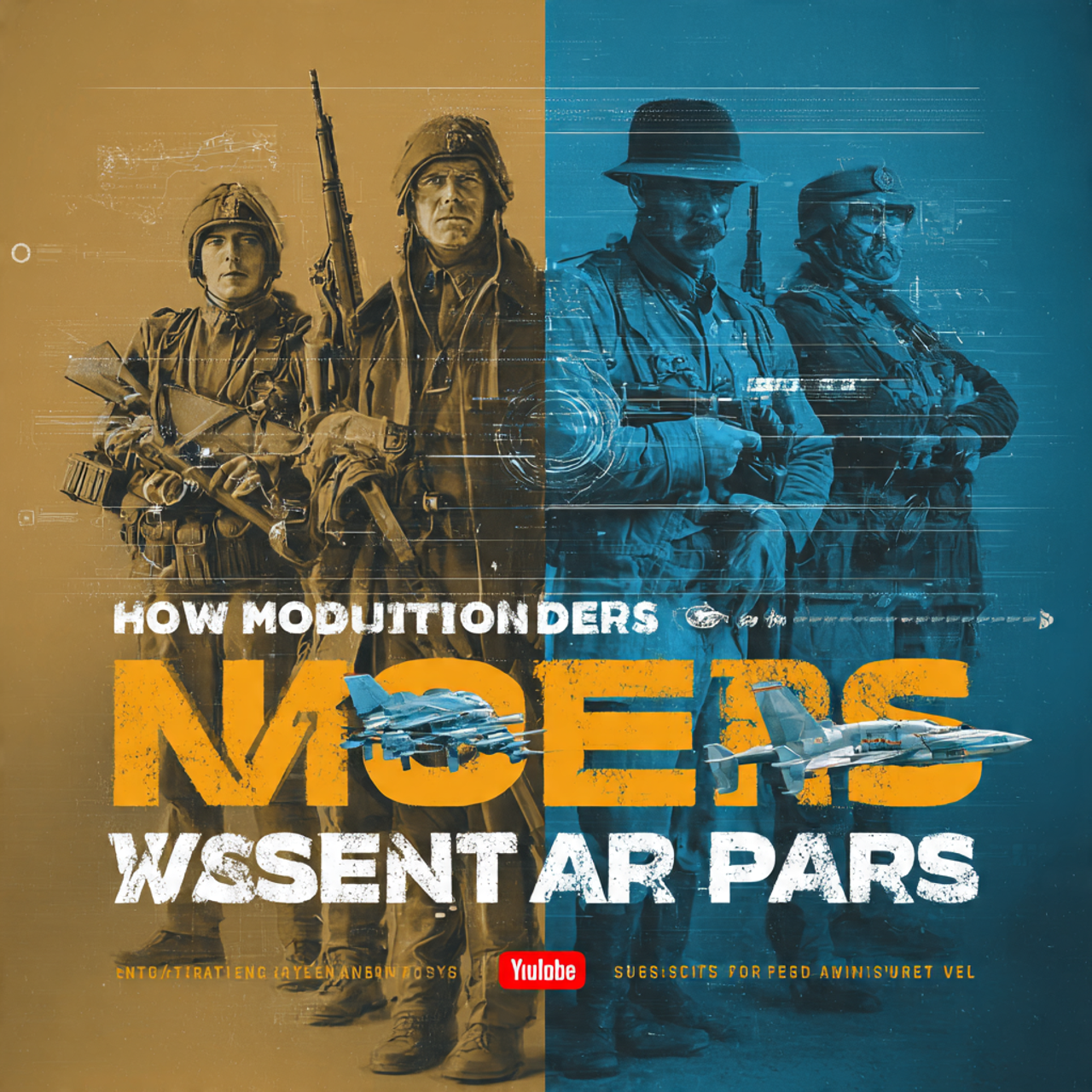
War has been a constant feature of human history, from ancient tribal battles to the world wars of the 20th century. However, the nature of warfare has changed dramatically in recent decades. Modern wars are no longer defined solely by soldiers meeting on battlefields. Instead, they involve advanced technology, global economics, information warfare, and civilian populations on an unprecedented scale.
This article explores how modern wars differ from past wars, examining changes in technology, strategy, participants, objectives, and global impact.
1. From Conventional Battlefields to Hybrid Warfare
Past Wars
Historically, wars were fought on clearly defined battlefields:
-
Armies wore uniforms and faced each other directly
-
Front lines were visible and geographically limited
-
Civilians were often separate from combat zones
Examples include Napoleonic wars, World War I trench warfare, and early World War II campaigns.
Modern Wars
Today’s conflicts often use hybrid warfare, combining:
-
Conventional military forces
-
Guerrilla tactics
-
Cyberattacks
-
Economic pressure and propaganda
Front lines are blurred, and war zones extend beyond physical territory.
2. Technology Has Transformed Warfare
Weapons of the Past
Earlier wars relied on:
-
Rifles, artillery, tanks, and naval fleets
-
Manual targeting and limited intelligence
-
Human decision-making at every stage
Even in World War II, operations depended heavily on physical reconnaissance.
Weapons of the Present
Modern wars are driven by advanced technology:
-
Drones for surveillance and targeted strikes
-
Precision-guided missiles
-
Satellite imagery and real-time intelligence
-
Artificial intelligence in defense systems
This technological shift has increased both the efficiency and lethality of warfare.
3. The Rise of Cyber and Information Warfare
Then: Limited Information Control
In past wars:
-
News traveled slowly
-
Governments controlled information through newspapers and radio
-
Civilians learned about war days or weeks later
Public opinion played a smaller role in real-time decision-making.
Now: War in the Digital Space
Modern wars are fought online as well as on the ground:
-
Cyberattacks target power grids, hospitals, and communication networks
-
Social media is used for propaganda and psychological warfare
-
Misinformation spreads instantly across borders
Winning the narrative has become as important as winning territory.
4. Civilians Are Central to Modern Conflicts
Civilian Role in Past Wars
While civilians suffered in historical wars, they were often:
-
Secondary targets
-
Protected by distance from battlefields
-
Less involved in day-to-day combat dynamics
Major exceptions existed, such as strategic bombing in World War II.
Civilian Impact Today
In modern wars:
-
Urban areas are frequent battlegrounds
-
Civilians make up the majority of casualties
-
Infrastructure like hospitals, schools, and water systems is affected
War now directly shapes civilian life on a daily basis.
5. Wars Are No Longer Only Between States
Traditional State-to-State Wars
Past wars were primarily:
-
Fought between nation-states
-
Declared formally
-
Ended with treaties or surrender
Examples include the World Wars and earlier imperial conflicts.
Modern Non-State Actors
Today’s conflicts often involve:
-
Militias and insurgent groups
-
Terrorist organizations
-
Private military contractors
These actors operate outside traditional rules of war, making conflicts harder to resolve.
6. Economic Warfare as a Weapon
Past Economic Pressure
Earlier wars used blockades and trade restrictions, but their reach was limited.
Modern Economic Warfare
Today, economies are deeply interconnected. Modern wars include:
-
Sanctions targeting entire economies
-
Freezing of financial assets
-
Disruption of global supply chains
Economic warfare affects not just enemies, but also global markets and civilian populations worldwide.
7. Speed and Scale of Decision-Making
Slow Communication in the Past
In historical wars:
-
Messages took days or weeks
-
Commanders had limited situational awareness
-
Decisions were slower and localized
Instant Warfare Today
Modern commanders operate with:
-
Real-time battlefield data
-
Instant communication across continents
-
Rapid-response military systems
This speed increases efficiency but also raises the risk of miscalculation.
8. The Globalization of War
Localized Conflicts of the Past
Most past wars were geographically contained, even if large in scale.
Global Ripple Effects Today
Modern wars affect the entire world:
-
Energy prices rise globally
-
Food supply chains are disrupted
-
Refugee flows cross multiple regions
No major conflict remains truly regional anymore.
9. Legal and Ethical Challenges
Clearer Rules in the Past
Traditional wars operated under:
-
Defined rules of engagement
-
Clear distinctions between soldiers and civilians
Though often violated, the framework was simpler.
Complex Legal Environment Today
Modern wars raise difficult questions:
-
Who is responsible for drone strikes?
-
How should cyberattacks be regulated?
-
What constitutes a war crime in hybrid warfare?
International law struggles to keep pace with modern realities.
10. Endings Are Less Clear Than Before
Past War Endings
Historically, wars ended with:
-
Clear victories or defeats
-
Formal peace treaties
-
Redrawn borders
Modern Conflicts: No Clear End
Today’s wars often result in:
-
Long-term instability
-
Frozen conflicts
-
Ongoing low-intensity violence
Peace is harder to define and even harder to sustain.
Why Understanding This Shift Matters
Understanding how modern wars differ from past wars helps:
-
Policymakers make informed decisions
-
Civilians understand global risks
-
Media consumers evaluate information critically
It also highlights why traditional peace solutions often fail in modern conflicts.
Conclusion
Modern warfare has evolved far beyond traditional battlefields. Technology, information, economics, and civilian involvement have transformed how wars are fought and experienced. While weapons have become more precise, conflicts have become more complex, longer-lasting, and globally interconnected.
As the world continues to change, understanding these differences is essential—not only for military strategists and policymakers, but for anyone seeking to understand today’s global reality.