
Active Wars Around the World in 2026 A Global Overview
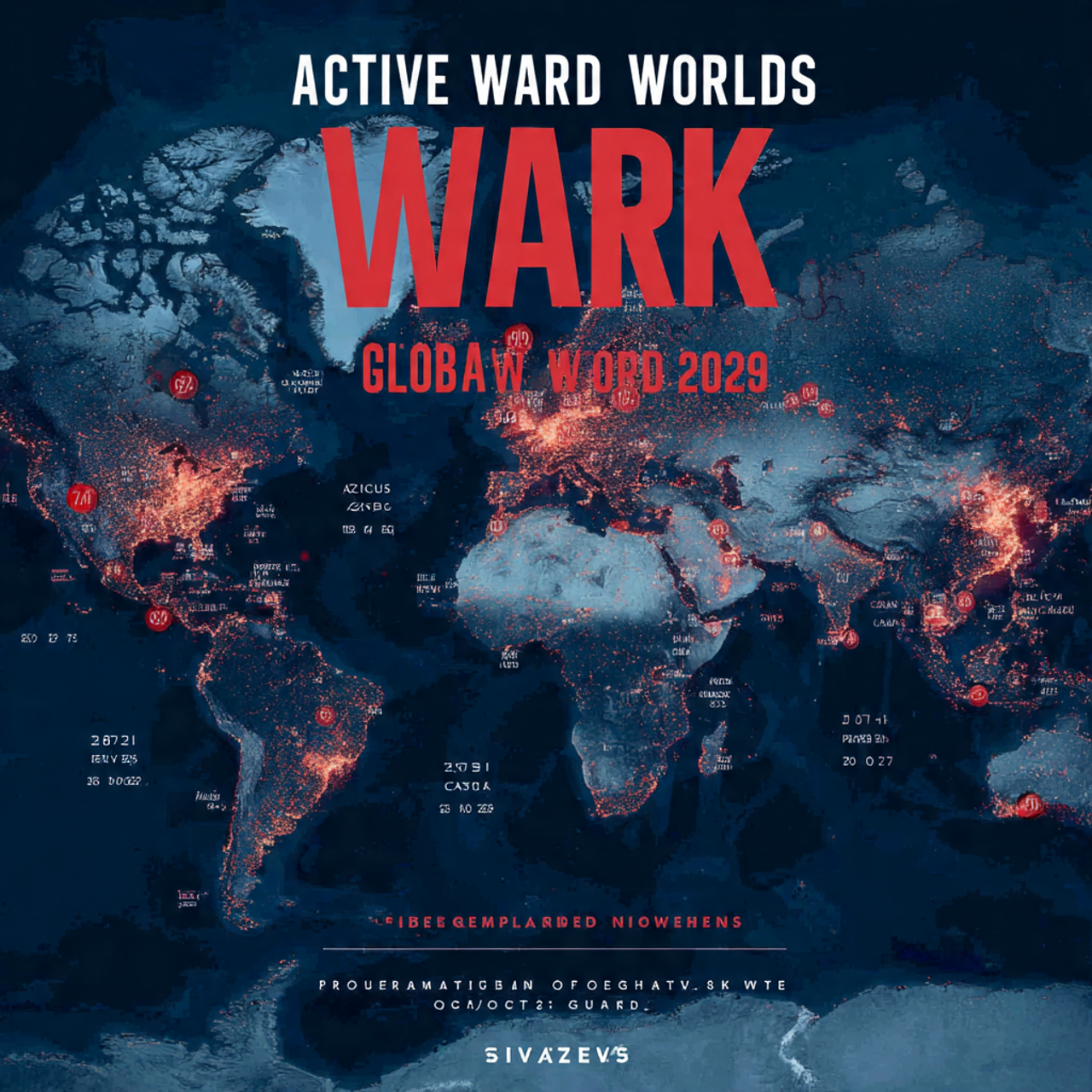
As the world moves through 2026, armed conflicts continue to shape global politics, economies, and humanitarian conditions. While technological progress and globalization have connected nations more closely than ever before, war remains a persistent reality in many regions. Some conflicts dominate international headlines, while others unfold quietly with devastating consequences for local populations.
This article provides a global overview of active wars and major armed conflicts in 2026, explaining where they are occurring, why they persist, and how they impact the wider world.
What Qualifies as an “Active War”?
An active war or armed conflict typically involves:
-
Sustained military engagement between states or organized armed groups
-
Significant civilian displacement or casualties
-
Ongoing political, territorial, ethnic, or ideological disputes
These conflicts may range from full-scale wars between nations to prolonged internal civil wars with international involvement.
Major Active Conflicts in 2026
1. Russia–Ukraine War
The Russia–Ukraine conflict remains one of the most consequential wars of the modern era. What began as a regional conflict has evolved into a prolonged confrontation with global implications.
Key characteristics:
-
Large-scale military operations and territorial disputes
-
Strong involvement of NATO countries through military aid and sanctions
-
Profound effects on global food supplies, energy markets, and geopolitics
Despite multiple diplomatic efforts, the conflict continues to resist a comprehensive resolution.
2. Israel–Palestine Conflict
The Israel–Palestine conflict continues to experience cycles of escalation and fragile ceasefires. Deep-rooted historical grievances, territorial claims, and security concerns keep tensions high.
Key characteristics:
-
Periodic military escalations in Gaza and surrounding regions
-
Significant civilian casualties and humanitarian crises
-
Strong international reactions and diplomatic divisions
This conflict remains a focal point of Middle Eastern instability.
3. Conflicts in the Middle East Beyond Israel–Palestine
Several Middle Eastern nations continue to face armed conflict and instability:
-
Syria: A prolonged civil war with multiple domestic and foreign actors
-
Yemen: One of the world’s worst humanitarian crises due to ongoing civil war
-
Iraq: Persistent security challenges involving militias and extremist groups
These conflicts are interconnected and influenced by regional rivalries and global power interests.
4. War and Armed Conflicts in Africa
Africa hosts several of the world’s most underreported conflicts, many of which have lasted for decades.
Notable regions include:
-
Sudan: Armed clashes involving military and paramilitary forces
-
Democratic Republic of the Congo (DRC): Ongoing violence driven by resource control and militia activity
-
Sahel Region: Insurgencies linked to extremist groups across multiple countries
These wars often result in mass displacement, food insecurity, and limited international attention.
5. Ongoing Conflict in Myanmar
Myanmar remains engulfed in internal conflict following military rule and political unrest.
Key issues:
-
Armed resistance groups versus military forces
-
Severe human rights concerns
-
Limited access to humanitarian aid
The situation continues to destabilize Southeast Asia.
6. Afghanistan’s Continuing Instability
Although large-scale international military presence has ended, Afghanistan still faces:
-
Armed resistance and internal power struggles
-
Economic collapse and humanitarian hardship
-
Restrictions affecting civil liberties and education
Instability in Afghanistan continues to have regional consequences.
The Role of Global Powers
Many active wars today are no longer isolated conflicts. Global and regional powers influence wars through:
-
Military aid and weapons supplies
-
Economic sanctions
-
Political alliances and proxy warfare
As a result, local conflicts frequently evolve into international geopolitical struggles.
Humanitarian Impact of Ongoing Wars
The human cost of war in 2026 is immense:
-
Millions of refugees and internally displaced persons
-
Widespread food insecurity and famine risks
-
Long-term psychological trauma, especially among children
Humanitarian organizations face increasing challenges due to funding shortages and restricted access to conflict zones.
Economic and Global Consequences
Active wars affect the entire world, not just conflict zones:
-
Rising energy and fuel prices
-
Disrupted global supply chains
-
Increased military spending at the expense of social programs
These effects are felt by households and businesses worldwide.
The Rise of Modern Warfare
Wars in 2026 are defined by new technologies:
-
Drone warfare and precision strikes
-
Cyberattacks on infrastructure
-
Artificial intelligence in surveillance and defense systems
While technology reduces risk for combatants, it often increases dangers for civilians.
Why Peace Remains Difficult
Ending modern wars is increasingly complex due to:
-
Deep political and ideological divides
-
Economic interests tied to prolonged conflict
-
Lack of trust between negotiating parties
Peace agreements require sustained international cooperation, which remains difficult in a polarized global environment.
Conclusion
The presence of active wars across multiple continents in 2026 highlights a sobering reality: despite global progress, conflict remains deeply embedded in international relations. Understanding where these wars are happening—and why—is essential for informed global citizenship.
While diplomatic efforts, humanitarian aid, and international pressure can reduce suffering, long-term peace depends on addressing the root causes of conflict rather than merely managing its consequences.